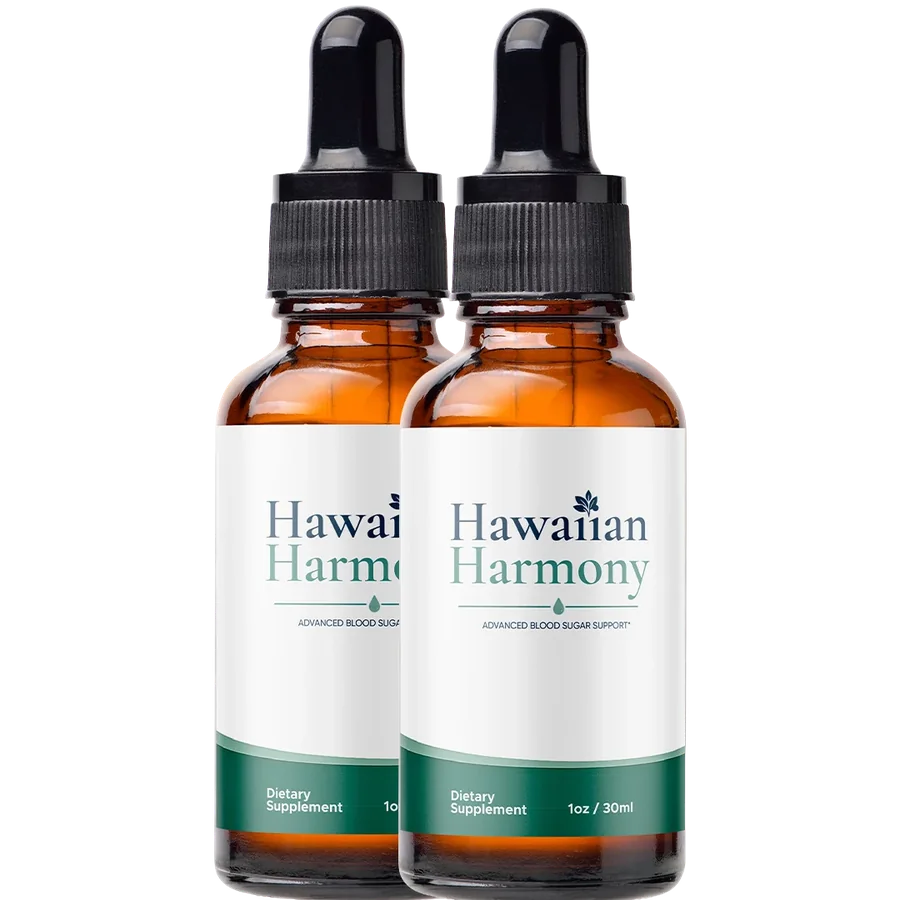
2 bottles
- Price
- $158
- Per bottle
- $79
- Servings
- 60
- Days, at one a day
- 60
- Cost per day
- $2.63
- Reaches day 180?
- no
USA Authorized Hawaiian Harmony Retailer
Hawaiian Harmony declares one amount you can check — 7 micrograms of chromium, and its 20% figure is correct — and then a single proprietary blend of 15.47 mg holding twenty-one named ingredients with no individual weights. That blend is 99.95% of everything the label declares. This page works out the most each of the twenty-one can weigh, sets it against the smallest dose anyone has published, and shows what happens to the refund window if you follow the seller's own advice on when to judge it.
See what each name can weighRead the panel first
Hawaiian Harmony is a liquid supplement — 1 oz, thirty 1 ml dropperfuls — labelled Advanced Blood Sugar Support.
Its panel declares two things. 7 mcg of chromium, which is 20% of the Daily Value and correct. And a 15.47 mg proprietary blend holding twenty-one named ingredients with no individual weights — 99.95% of everything the label declares.
Because a blend must be listed in descending order by weight, the k-th of those twenty-one names weighs at most 15.47 ÷ k mg. Eleven of them have a published daily amount in a source this site opened. None of the eleven reaches it.
And the seller publishes two numbers that do not sit well together: give it 180 to 210 days before judging, and a refund window of 180 days from purchase.
Two rows are declared. One has an amount you can check against a published Daily Value, and it checks out. The other has a weight and twenty-one names.
The arithmetic is not subtle. 7 micrograms of chromium is 0.007 mg. Everything else the label declares is on one line. If you want to know how much gymnema you are taking — the ingredient on this label with the most direct claim to a blood-sugar effect — the label does not tell you, and reading it more carefully will not change that.
Ten of the twenty-one names carry ^ and one carries ". The footnotes say those are 20:1 and 10:1 concentrates. Read the ratio in the buyer's favour — assume every milligram is 20:1 — and the whole blend represents 309.4 mg of plant material, shared among twenty-one ingredients. One studied dose of maca alone is 1,500 mg.
The ratio also cuts the other way, and the label does not settle it: a 20:1 concentrate is concentrated in something, and without a marker compound or a standardisation percentage there is no way to know in what.
No typed panel was supplied with this product and the written pack said in as many words not to invent one. Every figure below was read off the label artwork.
| Ingredient | Amount Per Serving | % Daily Value |
|---|---|---|
| Calories | 0 | |
| Chromium (as Chromium Picolinate) | 7 mcg | 20%* |
| Proprietary Blend | 15.47 mg | † |
Maca Root Extract (Lepidium meyenii)^, African Mango Seed Extract (Irvingia gabonensis)", Grape Seed Extract (Vitis vinifera)^, Guarana Seed Extract (Paullinia cupana)^, Eleuthero Root Extract (Eleutherococcus senticosus)^, Astragalus Root Extract (Astragalus membranaceus)^, Green Tea Leaf Extract^, Gymnema Leaf Extract (Gymnema sylvestre)^, Forskohlii Root Extract (Coleus forskohlii)^, Cayenne Pepper Fruit Extract (Capsicum annuum)^, Grapefruit Seed (Citrus paradisi)^, Ginseng Root Extract (Panax ginseng), Raspberry Ketones, L-glutamine, L-Tyrosine, L-Arginine, Beta Alanine, Monoammonium Glycyrrhizinate, GABA (Gamma Aminobutyric Acid), L-Tryptophan, L-Carnitine HCl.
Not a significant source of saturated fat, trans fat, cholesterol, sodium, dietary fiber, total sugars, added sugars, protein, Vitamin D, calcium, iron, or potassium.
* Percent Daily Value (DV) are based on a 2,000 calorie diet.
† Daily Value (DV) not established.
^ Sourced from a concentrate with a 20:1 extract equivalent.
" Sourced from a concentrate with a 10:1 extract equivalent.
Other Ingredients: Water, Natural flavors, Potassium Sorbate, Stevia, Xylitol, Citrus Extract.
| As printed | Against what | Works out to |
|---|---|---|
| Chromium 7 mcg | FDA Daily Value, 35 mcg | 20% of the Daily Value. The label's own figure, and it is right. |
| Chromium 7 mcg | Adequate Intake, 35 mcg for a man 19–50 | one fifth of a day's intake. Food supplies the rest. |
| Chromium 7 mcg | chromium-only supplements, 200–500 mcg | between 1.4% and 3.5% of what a chromium supplement usually carries. |
| as Chromium Picolinate | about 1.2% absorbed from picolinate | roughly 0.08 mcg absorbed — eighty nanograms. |
| Proprietary Blend 15.47 mg | the twenty-one names under it | 0.74 mg each if they were equal, and nothing says they are. |
| Proprietary Blend 15.47 mg | everything the panel declares | 99.95% of the declared weight is on this one line. |
| ^ 20:1 extract equivalent | 15.47 mg of concentrate | at most 309.4 mg of starting plant material, shared out among twenty-one names. |
Transcribed from the label artwork supplied with this product. No typed panel was supplied and none has been invented.
This is the one thing arithmetic can say about a blend with no split, and it comes out of the rule that makes the blend legal in the first place.
FDA's labeling guide requires the ingredients inside a proprietary blend to be listed in descending order of predominance by weight
, with the blend's total weight on the same line. So if the eighth name weighed more than 15.47 ÷ 8, the seven above it would each have to weigh more still, and eight numbers would already exceed the 15.47 mg the label declares. The k-th name therefore weighs at most 15.47 ÷ k mg. Nothing here is an estimate: it is the largest value each position is allowed to hold.
Ceiling here: ≤ 15.47 mg · 15.47 ÷ 1. 1.03% of the smallest published daily amount, 1500 mg.
Trials of sexual function used 1.5 to 3 g a day of gelatinised maca root; 1,500 mg was reported not effective and 3,000 mg effective in one SSRI-related trial.
Ceiling here: ≤ 7.74 mg · 15.47 ÷ 2. No daily amount was found for this ingredient in a source this site opened, so none is printed.
Ceiling here: ≤ 5.16 mg · 15.47 ÷ 3. 3.44% of the smallest published daily amount, 150 mg.
Oral doses of 150 to 2,000 mg a day over 2 to 24 weeks — for grape seed extract, which is what this label prints.
Ceiling here: ≤ 3.87 mg · 15.47 ÷ 4. 5.16% of the smallest published daily amount, 75 mg.
“Doses ranging from 75 mg to 1,000 mg daily have been used in limited clinical trials evaluating stimulant effects.” Guarana seed is 3% to more than 5% caffeine by dry weight, against 1% to 2% for a coffee bean.
Ceiling here: ≤ 3.09 mg · 15.47 ÷ 5. No daily amount was found for this ingredient in a source this site opened, so none is printed.
Ceiling here: ≤ 2.58 mg · 15.47 ÷ 6. No published daily amount to compare against.
The monograph is explicit: “Clinical trial data are lacking to guide dosing recommendations for A. membranaceus products.” There is no published amount to compare this one against.
Ceiling here: ≤ 2.21 mg · 15.47 ÷ 7. 2.63% of the smallest published daily amount, 84 mg.
An EGCG range of 84 to 386 mg a day is identified for diabetes support; catechins or extract at 160 to 2,488 mg a day in cardiovascular work.
Ceiling here: ≤ 1.93 mg · 15.47 ÷ 8. 0.97% of the smallest published daily amount, 200 mg.
“Clinical studies investigating antidiabetic effects have typically used 200 or 400 mg extract daily standardized to contain 25% gymnemic acids”; 500 to 1,000 mg a day of leaf extract in diabetes trials.
Ceiling here: ≤ 1.72 mg · 15.47 ÷ 9. 17.19% of the smallest published daily amount, 10 mg.
“Oral forskolin has been studied using 10 mg daily over 2 to 6 months” for asthma; 250 mg of a 10% extract twice daily in obesity work.
Ceiling here: ≤ 1.55 mg · 15.47 ÷ 10. No daily amount was found for this ingredient in a source this site opened, so none is printed.
Ceiling here: ≤ 1.41 mg · 15.47 ÷ 11. No daily amount was found for this ingredient in a source this site opened, so none is printed.
Ceiling here: ≤ 1.29 mg · 15.47 ÷ 12. 1.29% of the smallest published daily amount, 100 mg.
“the dose of extracts has generally ranged from 100 to 400 mg”, and crude root from 0.5 to 3 g a day. Glucose results are reported in some studies and not others.
Ceiling here: ≤ 1.19 mg · 15.47 ÷ 13. No daily amount was found for this ingredient in a source this site opened, so none is printed.
Ceiling here: ≤ 1.1 mg · 15.47 ÷ 14. 0.01% of the smallest published daily amount, 21000 mg.
One study used 0.3 g per kg of body weight — about 21 g for a 70 kg adult — and another almost 45 g a day. ODS concludes the research does not support glutamine alone for improving exercise performance.
Ceiling here: ≤ 1.03 mg · 15.47 ÷ 15. No daily amount was found for this ingredient in a source this site opened, so none is printed.
Ceiling here: ≤ 0.97 mg · 15.47 ÷ 16. 0.05% of the smallest published daily amount, 2000 mg.
“2–20 g/day arginine”, most commonly 2 to 10 g as a single dose. ODS reports it “provided little or no enhancement of athletic performance”.
Ceiling here: ≤ 0.91 mg · 15.47 ÷ 17. 0.06% of the smallest published daily amount, 1600 mg.
“1.6–6.4 g/day” over 4 to 8 weeks; the ISSN recommends 4 to 6 g a day in divided doses.
Ceiling here: ≤ 0.86 mg · 15.47 ÷ 18. No published daily amount to compare against.
Not a dose but a limit: the suggested acceptable daily intake for glycyrrhizin is 0.2 mg per kg of body weight — about 14 mg for a 70 kg adult. This ingredient is eighteenth of twenty-one, so it weighs at most 0.86 mg. It is comfortably under.
Ceiling here: ≤ 0.81 mg · 15.47 ÷ 19. No daily amount was found for this ingredient in a source this site opened, so none is printed.
Ceiling here: ≤ 0.77 mg · 15.47 ÷ 20. No daily amount was found for this ingredient in a source this site opened, so none is printed.
Ceiling here: ≤ 0.74 mg · 15.47 ÷ 21. 0.07% of the smallest published daily amount, 1000 mg.
1 to 4 g a day in athletic-performance studies. Supplemental L-carnitine is absorbed at about 14% to 18%, against 63% to 75% for the carnitine in food.
The first name can be anything up to the whole 15.47 mg. The twenty-first cannot be more than 0.74 mg — 737 micrograms. If all twenty-one were equal they would be 0.74 mg each.
Eleven of the twenty-one have a daily amount in a source this site opened. Each ceiling below is set against the smallest figure that source reports — the reading most generous to the label.
≤ 1.72 mg here, at position 9 of 21. “Oral forskolin has been studied using 10 mg daily over 2 to 6 months” for asthma; 250 mg of a 10% extract twice daily in obesity work.
≤ 3.87 mg here, at position 4 of 21. “Doses ranging from 75 mg to 1,000 mg daily have been used in limited clinical trials evaluating stimulant effects.” Guarana seed is 3% to more than 5% caffeine by dry weight, against 1% to 2% for a coffee bean.
≤ 5.16 mg here, at position 3 of 21. Oral doses of 150 to 2,000 mg a day over 2 to 24 weeks — for grape seed extract, which is what this label prints.
≤ 2.21 mg here, at position 7 of 21. An EGCG range of 84 to 386 mg a day is identified for diabetes support; catechins or extract at 160 to 2,488 mg a day in cardiovascular work.
≤ 1.29 mg here, at position 12 of 21. “the dose of extracts has generally ranged from 100 to 400 mg”, and crude root from 0.5 to 3 g a day. Glucose results are reported in some studies and not others.
≤ 15.47 mg here, at position 1 of 21. Trials of sexual function used 1.5 to 3 g a day of gelatinised maca root; 1,500 mg was reported not effective and 3,000 mg effective in one SSRI-related trial.
≤ 1.93 mg here, at position 8 of 21. “Clinical studies investigating antidiabetic effects have typically used 200 or 400 mg extract daily standardized to contain 25% gymnemic acids”; 500 to 1,000 mg a day of leaf extract in diabetes trials.
≤ 0.74 mg here, at position 21 of 21. 1 to 4 g a day in athletic-performance studies. Supplemental L-carnitine is absorbed at about 14% to 18%, against 63% to 75% for the carnitine in food.
≤ 0.91 mg here, at position 17 of 21. “1.6–6.4 g/day” over 4 to 8 weeks; the ISSN recommends 4 to 6 g a day in divided doses.
≤ 0.97 mg here, at position 16 of 21. “2–20 g/day arginine”, most commonly 2 to 10 g as a single dose. ODS reports it “provided little or no enhancement of athletic performance”.
≤ 1.1 mg here, at position 14 of 21. One study used 0.3 g per kg of body weight — about 21 g for a 70 kg adult — and another almost 45 g a day. ODS concludes the research does not support glutamine alone for improving exercise performance.
Every bar above is drawn at least a hair wide so it can be seen. Four of the eleven are under a tenth of one per cent, and the widest — forskohlii, against a 10 mg asthma dose that is the smallest figure in this whole table — is 17%.
For ten of the twenty-one names, no daily amount was found in a source this site could open and read in full. That is written down rather than filled in.
No daily amount for this ingredient was found in a source this site could open and read in full. Rather than reach for a figure, this site says so.
No daily amount for this ingredient was found in a source this site could open and read in full. Rather than reach for a figure, this site says so.
The monograph is explicit: “Clinical trial data are lacking to guide dosing recommendations for A. membranaceus products.” There is no published amount to compare this one against.
No daily amount for this ingredient was found in a source this site could open and read in full. Rather than reach for a figure, this site says so.
No daily amount for this ingredient was found in a source this site could open and read in full. Rather than reach for a figure, this site says so.
No daily amount for this ingredient was found in a source this site could open and read in full. Rather than reach for a figure, this site says so.
No daily amount for this ingredient was found in a source this site could open and read in full. Rather than reach for a figure, this site says so.
Not a dose but a limit: the suggested acceptable daily intake for glycyrrhizin is 0.2 mg per kg of body weight — about 14 mg for a 70 kg adult. This ingredient is eighteenth of twenty-one, so it weighs at most 0.86 mg. It is comfortably under.
No daily amount for this ingredient was found in a source this site could open and read in full. Rather than reach for a figure, this site says so.
No daily amount for this ingredient was found in a source this site could open and read in full. Rather than reach for a figure, this site says so.
The honest half of this label, and it deserves saying plainly before anything else.
Two things are true at once here and this site prints both. 7 mcg is inside the range of doses that have been studied — trials have run from 1.28 to 1,000 mcg a day — so nobody can call it an impossible amount. And NIH's own conclusion across that whole literature is that there is “insufficient rationale to recommend chromium supplements for people with type 2 diabetes”, at any dose in it. No Tolerable Upper Intake Level has been set for chromium.
Two figures, both the seller's own, on one axis. They meet on a single day and then part company.
Runs out 120 days before the earliest day the sales page says to judge it.
Runs out 90 days before the earliest day the sales page says to judge it.
Reaches the first day the sales page says to judge it, and the refund window shuts the same day.
The sales page says to give it 180 to 210 days before deciding. The guarantee is 180 days from purchase. Those two facts meet on a single day and then part company: from day 181 onward you are still inside the period you were told to wait, and outside the period in which you can ask for the money back.
| Where it comes from | What it says | In days |
|---|---|---|
| The sales page | give it 180 to 210 days to judge | 180–210 |
| The supplied review copy | most buyers wait 3 to 6 weeks | 21–42 |
| The eight supplied testimonials | the longest is day 56 | 26–56 |
| The guarantee | 180 days from purchase | 180 |
Both figures arrived with this product. The sales page says 180 to 210 days; the review copy supplied alongside it says most buyers wait three to six weeks. This site publishes both rather than choosing one, because choosing one would be inventing a fact.
Four places where the bottle and the material that sells it do not agree. Where they conflict this site follows the bottle.
ADVANCED BLOOD SUGAR SUPPORT, printed under the name on the bottle
The sales page's checkout template says cognitive function and mental clarity, and the same page's keywords also list diabetes
These are not the same product category. The bottle is the document that governs, and it says blood sugar. A keyword naming a disease is a different thing again: FDA's rule is that a product intended to treat or prevent a disease is a drug, whatever the label calls it. The written pack supplied with this product flagged the clash itself — confirm the bottle, do not mix formulas
— and this site follows the bottle.
+1 (877) 257 0710, under DISTRIBUTED BY
no public phone on the sales/contact pages we checked
The written pack could not find a phone number. The bottle prints one. It is published on this site, on this page and on the contact page, because a buyer holding the bottle already has it and a buyer who has not bought yet cannot find it.
Hawaiian Harmony, PO Box 12730, Ogden, UT 84404
Office at 1500 Broadway, Floor 6, New York, NY 10036; returns to 300 Park Avenue, Floor 17, New York, NY 10022
A post-office box in Utah against two Manhattan office addresses. A PO box is a valid address for a distributor line and it is not a street a parcel can be handed to. Nothing supplied explains how the three relate.
Hawaiian Harmony, with support at northsupplements.online
hawaiianzharmony.com, [email protected], gethawaiianharmony.com
Four names for one transaction. The retail domain carries a z the product does not have, the sales domain carries a get, and the support address on the bottle belongs to a fourth company entirely.
Four of them. Where the two sources disagree this site follows the bottle, because the bottle is the thing a buyer can hold and read. Nothing is reconciled by guessing.
| The claim | Where it appears | What it actually says |
|---|---|---|
| Advanced Blood Sugar Support, on the bottle | The product's own descriptor, with the required disclaimer beside it. | A structure/function claim. It is the claim the label actually makes, and it is what this site treats as the product's purpose. |
| Cognitive function and mental clarity, on the checkout page | The sales page's checkout template text, as carried in the written pack. | A different category of product. Nothing on this label mentions cognition, and the bottle is the document that governs. |
| Diabetes, in the sales page keywords | Listed among the same page's keywords. | A disease term. FDA's rule is that a product intended to treat or prevent a disease is a drug and subject to drug requirements, whatever the label calls it. The label itself carries the disclaimer and does not say this. |
| Made in the USA with globally sourced ingredients | Printed beside a flag on the label. | Both halves at once, and honest about it: assembled here, sourced anywhere. No country and no supplier is named. |
| 20:1 extract equivalent | A footnote against ten of the twenty-one names. | Read generously it means 15.47 mg of concentrate stands for 309.4 mg of plant. Read carefully it says nothing about what the concentrate is concentrated in, because no marker compound is given. |
Nine places on the artwork worth stopping at.
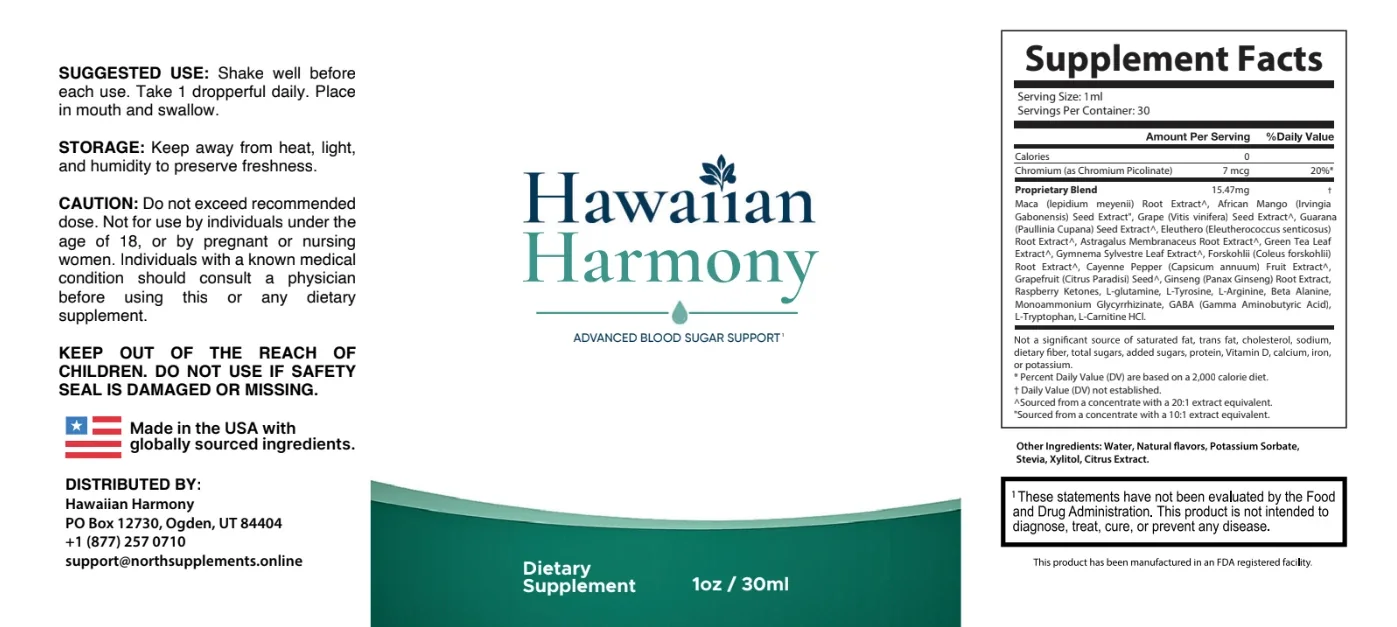
Nine markers over the label artwork supplied with this product. Nothing has been added to the artwork and nothing removed from it.
The label says not to use it if the safety seal is damaged or missing.
The first words of the instruction: Shake well before each use.
It is a suspension in water, and the twenty-one names are 15.47 mg of it.
1 ml, in the mouth, swallowed. Thirty in a bottle, so a bottle is thirty days.
The label's own storage line. It does not ask for refrigeration.
Xylitol is in the Other Ingredients list, and the amount is not declared.
The refund window is 180 days from purchase, and the sales page says to judge the product at 180 to 210 days.
1. Are you buying this for blood sugar?
Yes — Then buy it from the bottle, not from the page. The bottle says Advanced Blood Sugar Support; the sales page's checkout text describes cognitive function and mental clarity. The one ingredient with a declared amount is 7 mcg of chromium, and NIH's conclusion across that whole literature is that there is insufficient rationale to recommend chromium for type 2 diabetes.
No — Then read the descriptor on the bottle before anything else, because it is a blood-sugar product and the page that sells it is not describing one.
2. Are you taking any prescription medicine?
Yes — The label says a known medical condition means asking a physician first. There is a second reason here: twenty-one botanicals and amino acids are named and not one of them is quantified, so nobody — including a pharmacist — can check an interaction against an amount.
No — The label's caution still applies if a medical condition applies.
3. Is there a dog in the house?
Yes — Then keep this bottle out of reach and off the counter. Xylitol is in the Other Ingredients list. FDA's guidance is that xylitol in dogs can cause a rapid release of insulin and a profound drop in blood sugar within 10 to 60 minutes. The amount in this bottle is not declared, which is exactly why it should not be left where a dog can reach it.
No — Then the xylitol in the Other Ingredients list is not a concern for you — it is a sweetener.
4. Can you wait six months before deciding?
Yes — Then the sales page's own advice — 180 to 210 days — is workable, and the six-bottle pack is exactly 180 days. Note that the refund window shuts on the same day.
No — Then look carefully at the arithmetic above. The sales page says to judge it at 180 to 210 days. The two-bottle pack is 60 days and the three-bottle pack is 90.
Three packs with prices, which makes this the one part of the page that needs no assumptions at all.
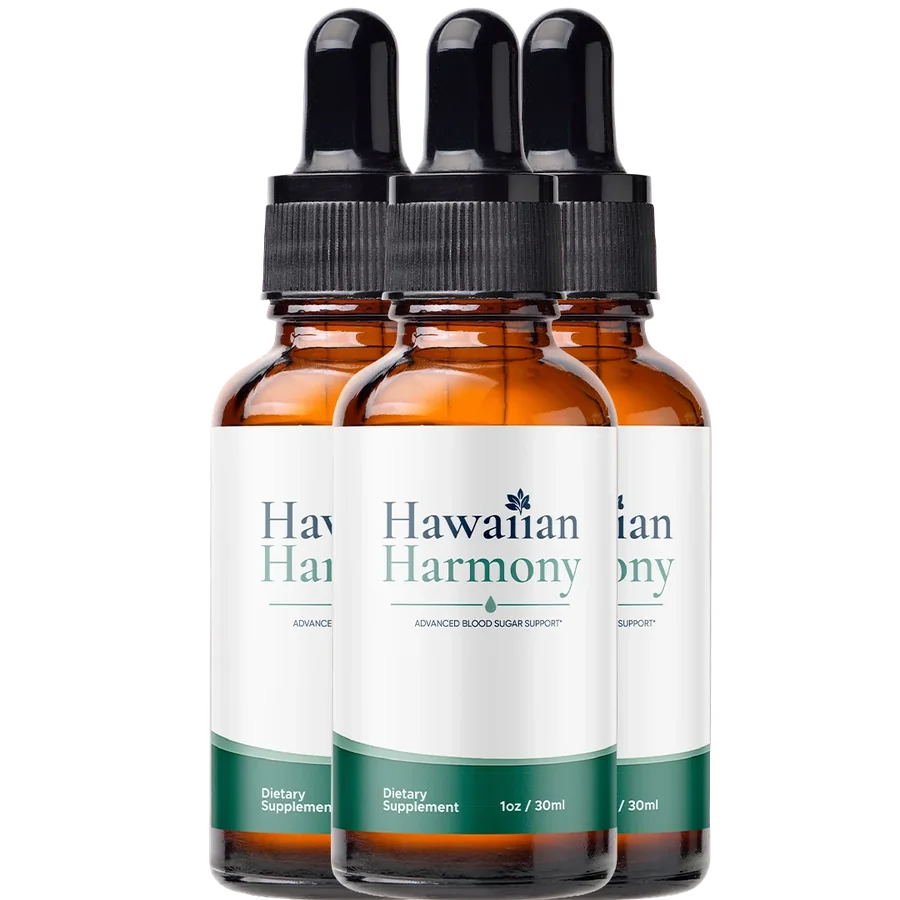
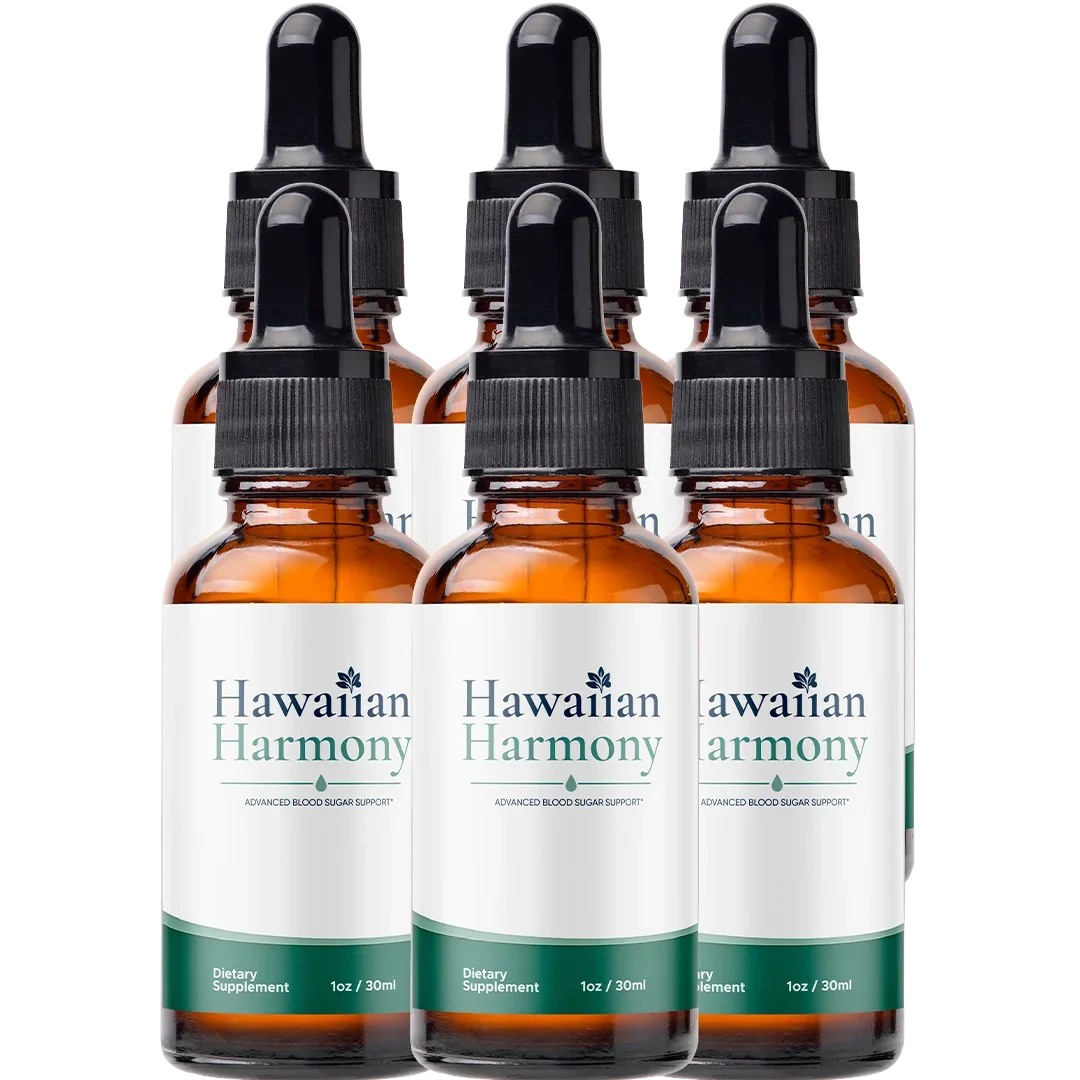
Nothing here is estimated. Every figure is the supplied price divided by the serving count on the label. Shipping was not supplied and is in none of these numbers.
| Pack | Price | Servings | Days | Cost per day | Per bottle | Reaches day 180 |
|---|---|---|---|---|---|---|
| 2 bottles | $158 | 60 | 60 | $2.63 | $79 | no |
| 3 bottles | $207 | 90 | 90 | $2.30 | $69 | no |
| 6 bottles | $294 | 180 | 180 | $1.63 | $49 | yes |
Via the sales contact page, with the order ID. The written pack reports no public phone on the sales or contact pages; the bottle itself prints +1 (877) 257 0710.
Full name, email, order ID.
To 300 Park Avenue, Floor 17, New York, NY 10022, USA. The pack says return shipping is the buyer's cost.
3 to 5 business days after they credit it, then a further 5 to 10 days on the card.
Review figures and eight named lines arrived with this product. They are published here in one clearly marked block, audited, and marked up as reviews nowhere.
Fair at a month. Wanted more in week one.
Daily habit stuck. Reordered before the last bottle.
Two sentences, eight names, eight cities and eight ages.
| Check | What was supplied | What it comes to |
|---|---|---|
| The average against its own distribution | 4.6 out of 5, from 66/21/8/3/2 per cent | Those percentages average 4.46, which rounds to 4.5. The published figure is 4.6. |
| Written reviews against orders | 754 written, 7,982 orders | 9.4% of orders left a written review. |
| Recommend against the stars | 90% recommend | 5★ and 4★ together are 87%. |
| The eight published lines | 8 named buyers | They carry 2 distinct sentences between them. One appears five times, the other three. |
| How long they waited | “most wait 3–6 weeks”; the longest line is day 56 | The sales page for the same product says to give it 180 to 210 days. The two answers differ by a factor of four to ten. |
The FTC’s guidance for this industry is that “testimonials that report results more dramatic than users can generally expect are likely to be deceptive”, and that randomised controlled human trials are the evidence experts would require for a health-benefit claim. Two sentences under eight names are not evidence in either direction.
| The complaint | What is actually the case | What you can do |
|---|---|---|
| “I can't tell what I'm taking.” | 99.95% of the declared weight is one line with twenty-one names. 21 CFR 101.36(c) permits it. | Read the staircase above. It is the most anyone can say about the split, and it is arithmetic rather than opinion. |
| “Is this for blood sugar or for focus?” | The bottle says blood sugar. The sales page's checkout text says cognition. The written pack flagged the clash itself. | Go by the bottle you received. If it does not say Advanced Blood Sugar Support, the arithmetic on this site does not describe it. |
| “Nothing happened in the first month.” | The sales page says to give it 180 to 210 days. The supplied review copy says most wait three to six weeks. Both figures came with the same product. | Note the purchase date. The refund window is 180 days from purchase, not from delivery. |
| “I want to return four bottles.” | Six bottles is 180 days of product and the window is 180 days from purchase. They end on the same day. | Write to the sales contact page with the order ID before day 180. Return shipping is the buyer's cost; use tracking. |
| “There is no phone number anywhere.” | Not on the sales or contact pages, no. The bottle prints +1 (877) 257 0710. | Use it, and keep the order email. It is published on the contact page of this site too. |
| “The reviews all say the same thing.” | They do. Eight published lines carry two distinct sentences. | Treat them as layout copy. This site does, and marks none of them up as reviews. |
Everything supplied that identifies this bottle and this seller, and what each item is actually worth.
| What | As supplied | What it does and does not prove |
|---|---|---|
| Lot | HAW-26/HA-2023 | A batch identifier. On its own it proves nothing about what is in the batch. |
| Certificate of analysis | HAW-2023-26-HA | A reference, not a document. The certificate was not supplied to this site. Note that the two strings carry the same three parts in a different order. |
| Distributor, on the bottle | Hawaiian Harmony, PO Box 12730, Ogden, UT 84404 | A post-office box. Valid for a distributor line; not a street a parcel can be handed to. |
| Phone, on the bottle | +1 (877) 257 0710 | The written pack found no public phone number anywhere. The bottle prints this one. It is published here because it is the only number this product has. |
| Support email, on the bottle | [email protected] | A different company's domain from the product, the retail site and the sales site. |
| Seller's office, in the pack | 1500 Broadway, Floor 6, New York, NY 10036, USA | A named floor in a named Manhattan building. Published as supplied; this site has verified nothing about it. |
| Returns address, in the pack | 300 Park Avenue, Floor 17, New York, NY 10022, USA | A second Manhattan address. Keep the tracking number: the pack says return shipping is the buyer's cost. |
| Sales phone, in the pack | no public phone on the sales/contact pages we checked | The written pack's own wording. See the row four above this one. |

The label states the product “has been manufactured in an FDA registered facility.” A registration is a filing. It is not an inspection result and not an approval of anything in the bottle.

Manufacturing process, not formula and not dose. It says a practice was followed; it says nothing about whether 15.47 mg is enough of anything.

A sourcing statement, and it matches the label's own wording: made in the USA with globally sourced ingredients. It names no country and no supplier.

A seller's promise, and the only one of the four with a number behind it: 180 days on the sales page kits, claimed by writing to the sales contact page with the order ID.
Four marks were supplied with this product. None is a test result for this lot, and this site presents none of them as one.
Built only from figures that were supplied. Nothing here predicts an effect, because nothing supplied describes one in terms anyone could measure.
One dropperful, shaken, in the mouth. 7 mcg of chromium is the only amount you know for certain.
The window the supplied review copy calls typical — three to six weeks. The same pack's own testimonials run from day 26 to day 56.
One bottle is finished. The two-bottle pack is half gone.
The two-bottle pack runs out, 120 days before the earliest day the sales page says to judge it.
The three-bottle pack runs out.
Three things at once: the six-bottle pack runs out, the refund window shuts, and the sales page's judging period opens.
Still inside the period you were told to wait. Outside the period in which you can ask for the money back, and out of product — no pack sold covers these thirty days.
| This bottle | Chromium on its own | Nothing | |
|---|---|---|---|
| What you know the weight of | One amount: 7 mcg of chromium. The other 15.47 mg is twenty-one names on one line. | All of it. One ingredient, one number. | Nothing, and it is free. |
| Typical amount | 7 mcg of chromium. | 200 to 500 mcg in a chromium-only supplement. | — |
| Can you compare it to the research? | Only as a ceiling. Not one of the eleven blend ingredients with a published dose reaches it. | Directly, because you have the number. | — |
| What the evidence says | NIH finds insufficient rationale to recommend chromium for type 2 diabetes; the gymnema monograph notes few methodologically sound studies; astragalus has no dosing data at all. | The same literature, read against a dose you can see. | The same literature. |
| Cost per day | $1.63 to $2.63, by pack. | Varies. Compare on the amount, not the bottle. | $0 |
The Hawaiianzharmony editorial desk, 24 September 2026
The panel carries what FDA's guide asks for: serving size, servings per container, calories, the declared nutrient with its amount and %DV, the blend with its total weight, all four footnotes, the inactive list, a caution, storage and a distributor. It also carries extract ratios, which many labels do not.
99.95% of the declared weight is one line with twenty-one names. This is the least legible panel in this series to date.
Eleven of the twenty-one have a published daily amount in a source we opened. Not one is reachable at its own arithmetic ceiling. Ten have no published amount at all, and for one the monograph says so explicitly.
Four names, a PO box against two Manhattan addresses, and a support email at a fourth company. The one redeeming detail is that the bottle prints a phone number the sales pages do not.
Three prices, internally consistent, and a 180-day window that is long by the standards of this category. Marked down because the seller's own judging period runs past its own refund window and no pack sold covers the far end of it.
The bottle says blood sugar; the checkout says cognition; the keywords say diabetes. The written pack had to warn against mixing formulas.
Eight named testimonials carrying two sentences between them, a headline average that does not match its own distribution, and a stated waiting time four to ten times shorter than the sales page's own.
This is our score, not a customer rating and not an average of anything supplied with the product. It is the mean of the seven figures above, each argued for in the sentence beside it. No star rating from any other source appears anywhere on this site.
No individual amount is given for any of the twenty-one names. 21 CFR 101.36(c) permits this. It does not make the amounts knowable.
Ten names carry a 20:1 concentrate marker and one a 10:1. None carries a marker compound or a percentage — no gymnemic acid content, no EGCG content, no ginsenoside content — so the extract weight cannot be converted into an amount of anything active.
Guarana seed is 3% to more than 5% caffeine by dry weight. Guarana is fourth of twenty-one, so its ceiling is 3.87 mg, but no caffeine content is declared and the panel has no caffeine line.
Xylitol is in the Other Ingredients list, which is unquantified by design. It is worth knowing about in a household with a dog.
A CoA reference is printed. The document was not supplied to this site, so nothing here treats it as a test result.
The written pack reports none on the sales or contact pages. The bottle prints one, and this site publishes it.
Neither was supplied, so neither is printed.
Review figures were supplied. They are published as layout copy, with their own arithmetic checked, and are marked up as reviews nowhere.
The label names a distributor and states that the product was made in an FDA registered facility. It does not name the facility.
Nine things this site would print if they had been supplied. Each is written here rather than filled in, because a plausible number in one of these slots would be worth less than the empty slot.
A liquid dietary supplement, 1 oz / 30 ml, thirty 1 ml servings to a bottle, labelled Advanced Blood Sugar Support. The panel declares 0 calories, 7 mcg of chromium as chromium picolinate, and a 15.47 mg proprietary blend holding twenty-one named ingredients with no individual amounts.
The label says: Shake well before each use. Take 1 dropperful daily. Place in mouth and swallow.
One dropperful is 1 ml, and there are thirty of them in a bottle, so a bottle is thirty days.
The bottle says Advanced Blood Sugar Support. The sales page's checkout template says cognitive function and mental clarity, and the same page's keywords also list diabetes. The written pack supplied with this product flagged the clash itself and said to confirm the bottle. This site follows the bottle.
Twenty-one names, in the order the label prints them: Maca Root, African Mango Seed, Grape Seed, Guarana Seed, Eleuthero Root, Astragalus Root, Green Tea Leaf, Gymnema Leaf, Forskohlii Root, Cayenne Pepper Fruit, Grapefruit Seed, Ginseng Root, Raspberry Ketones, L-glutamine, L-Tyrosine, L-Arginine, Beta Alanine, Monoammonium Glycyrrhizinate, GABA, L-Tryptophan and L-Carnitine HCl. The label gives the 15.47 mg total and no individual amount.
Nobody outside the company can say. What arithmetic can say is the most each one can weigh. A blend must be listed in descending order by weight, so the k-th name weighs at most 15.47 ÷ k mg. That puts Maca at no more than 15.47 mg and L-Carnitine HCl at no more than 0.74 mg — 737 micrograms.
Divided equally it is 0.74 mg each. Eleven of the twenty-one have a published daily amount in a source this site opened, and not one of the eleven reaches it, even at its own ceiling. The closest is forskohlii at 17% of a 10 mg asthma dose.
Ten of the names carry ^, which the footnote defines as a 20:1 extract equivalent, and one carries " for 10:1. Read as generously as possible — as if the whole blend were 20:1 — 15.47 mg of concentrate stands for 309.4 mg of starting plant, shared among twenty-one ingredients. One studied dose of maca alone is 1,500 mg.
Yes. 21 CFR 101.36(c) permits a blend to declare one total weight, provided the ingredients are listed in descending order of predominance and any nutrient with a Daily Value is declared separately with its own amount. This label does both. Legal and legible are different things.
It is 20% of the 35 mcg Daily Value, and the label's percentage is correct. A chromium-only supplement usually carries 200 to 500 mcg. Trials in diabetes have used anywhere from 1.28 to 1,000 mcg a day, so 7 mcg is inside the studied range — and NIH's conclusion across that whole literature is that there is insufficient rationale to recommend chromium supplements for people with type 2 diabetes.
It is the form most often used in the trials. NIH also publishes that about 1.2% of chromium is absorbed from chromium picolinate, which on 7 mcg is roughly 0.08 mcg.
Guarana seed is named, and guarana seed is 3% to more than 5% caffeine by dry weight. Guarana is fourth of twenty-one, so its ceiling is 3.87 mg. No caffeine content is declared and the panel carries no caffeine line, so the honest answer is: some, and nobody outside the company knows how much.
The label says to consult a physician before use if you have a known medical condition. The deeper problem is that twenty-one botanicals and amino acids are named without amounts, so an interaction cannot be checked against a dose by anyone — including a pharmacist. This site is not medical advice.
Yes, keep it out of reach. Xylitol is in the Other Ingredients list. FDA's guidance is that in dogs xylitol “may result in a potent release of insulin” and a rapid, profound drop in blood sugar within 10 to 60 minutes, and FDA names dietary supplements among the products that contain it. The amount here is not declared.
This site does not answer that and will not pretend to. What it can tell you is the ceiling arithmetic above, and that the cited reviews for the best-studied ingredients on this label are themselves inconclusive.
No, and no supplement is. FDA's own wording: it does NOT have the authority to approve dietary supplements for safety and effectiveness, or to approve their labeling, before the supplements are sold to the public.
The label's line about an FDA registered facility is a statement about a filing, not an approval.
Two bottles $158, three bottles $207, six bottles $294 — $79, $69 and $49 a bottle. At one dropperful a day that is $2.63, $2.30 and $1.63 a day. Shipping was not supplied and is in none of those figures.
Six bottles, at $1.63 a day. It is also the only pack that reaches day 180, which is both the first day the sales page says to judge the product and the last day of the refund window.
180 days from purchase on the sales page kits. To claim it, write via the sales contact page with the order ID. Keep the order email.
The sales page says 180 to 210 days. The review copy supplied with the same product says most buyers wait three to six weeks. Those two answers differ by a factor of four to ten, and this site publishes both rather than picking one.
At day 180, from purchase. That is the first day of the period the sales page says to judge it in. From day 181 to day 210 you are inside the waiting period and outside the refund window — and out of product, because the largest pack sold is 180 days and day 210 would need seven bottles.
Write via the sales contact page with the order ID, inside the 180 days. Put your full name, email and order ID in the return parcel and send it to 300 Park Avenue, Floor 17, New York, NY 10022, USA. Return shipping is the buyer's cost; use tracking.
The pack says 3 to 5 business days after they credit it, then a further 5 to 10 days to appear on the card.
The written pack found none on the sales or contact pages. The bottle prints one: +1 (877) 257 0710, under Distributed by, alongside [email protected]. This site publishes it because it is the only number this product has.
Because they do, and nothing supplied explains it. The bottle prints Hawaiian Harmony, PO Box 12730, Ogden, UT 84404. The written pack gives an office at 1500 Broadway and returns to 300 Park Avenue. Both are published here, each labelled with where it came from.
The product is Hawaiian Harmony. The retail domain is hawaiianzharmony.com, with a z. The sales domain is gethawaiianharmony.com. The support address printed on the bottle is at northsupplements.online. All four are as supplied.
From the US unless the sales page says otherwise. Tracking arrives in the order email. No shipping cost and no delivery estimate were supplied to this site, so none is printed anywhere on it.
There are no reviews on this site. Review figures and eight named lines were supplied with the product; they are published in one clearly marked block as layout copy, with their own arithmetic checked, and they are marked up as reviews nowhere in this site's structured data.
Because the supplied copy repeats. Eight named lines carry two distinct sentences between them — one appears five times and the other three.
The label says keep it away from heat, light and humidity to preserve freshness, and out of reach of children. It does not ask for refrigeration.
The label says: anyone under 18, and pregnant or nursing women. It also says that anyone with a known medical condition should consult a physician before using this or any dietary supplement.
HAW-26/HA-2023 identifies a batch, printed with a best-before date on the base of the bottle when the bottle shows it.
A reference, HAW-2023-26-HA, was supplied. The document itself was not, so nothing on this site treats it as a test result. The number on the bottle is who to ask for it.
The Hawaiianzharmony editorial desk. It is an authorised retail site, not the manufacturer, and it is written from the label artwork and the written pack supplied with the product plus the sources listed on the references page.
[email protected], Mon–Fri 9:00am–5:00pm ET. That address is for pages, typos, privacy and press — not orders.
No question matches that word.
Sixteen, every one opened. Nothing is cited on this site that was not read.
The panel is the only document in this transaction that has to be true. Everything else is copy.
See the packs and the priceRead the label first
USA Authorized Hawaiian Harmony Retailer · United States · not medical advice